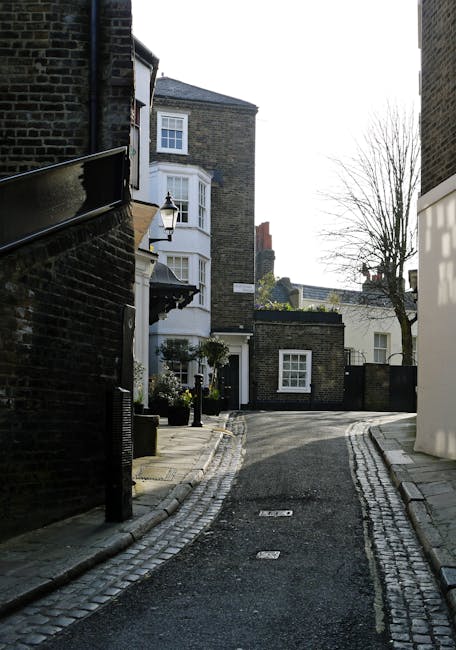
Heath Street rubbish removal guide for Hampstead Heath
If you live, work, or manage property near Heath Street, rubbish removal can feel straightforward right up until it isn't. A bulky sofa blocks the hallway, a loft is full of old boxes, or a quick refurb leaves dust, timber, and broken fittings everywhere. This Heath Street rubbish removal guide for Hampstead Heath is here to make the job simpler, safer, and a lot less stressful. It explains what counts as rubbish removal, how the process usually works, what to look out for, and when a professional clearance service makes more sense than a DIY trip to the tip. Truth be told, a well-planned clearance saves time and a fair bit of hassle.
Whether you are clearing a flat, a family house, a garden, a garage, or an office, the basics are the same: sort carefully, avoid unsafe lifting, separate reusable items where possible, and make sure waste is handled responsibly. If you want a broader view of service types, you may also find waste removal support, house clearance, or flat clearance useful as you compare options.
Below, you will find a practical guide built for real-world use, not just a tidy definition page. Let's get into it.
Table of Contents
- Why Heath Street rubbish removal matters
- How rubbish removal works on and around Heath Street
- Key benefits and practical advantages
- Who this is for and when it makes sense
- Step-by-step guidance
- Expert tips for better results
- Common mistakes to avoid
- Tools, resources and recommendations
- Law, compliance, standards and best practice
- Options, methods and comparison
- Case study or real-world example
- Practical checklist
- Conclusion
- Frequently asked questions
Why Heath Street rubbish removal guide for Hampstead Heath Matters
Heath Street sits in a part of London where access, parking, narrow entrances, and busy daily footfall can complicate even small clearances. That is why rubbish removal here matters more than people often expect. A pile of waste in the wrong place can slow down deliveries, block shared spaces, upset neighbours, or create a safety issue in a hallway or front garden. And once waste starts spreading, it tends to spread fast. A box becomes a stack. A stack becomes a corridor problem. You know how it goes.
In Hampstead Heath, people often deal with a mix of residential and commercial waste: old furniture after a tenancy change, garden cuttings after a tidy-up, builder's rubble from a small renovation, or leftover office items from a move. Each type needs a slightly different approach. A proper guide helps you match the waste to the right removal method, so you do not overpay or make a compliance mistake.
Another reason it matters is simple peace of mind. Many clearance jobs look manageable until the lifting starts. A wardrobe corner catches on a stairwell. A bag of mixed waste turns out to be much heavier than expected. By planning properly, you reduce injuries, avoid damage to walls and flooring, and keep the whole process calmer.
Expert summary: The best rubbish removal jobs are rarely the fastest ones done at random. They are the ones planned with sorting, access, safety, and disposal in mind from the start.
How Heath Street rubbish removal guide for Hampstead Heath Works
At its simplest, rubbish removal means collecting unwanted items, loading them safely, and taking them away for appropriate disposal, recycling, or reuse. In practice, a good service follows a fairly predictable flow.
- Assessment: The waste is reviewed by type, amount, location, and access.
- Quotation: A price or estimate is given based on the volume, labour, and disposal requirements.
- Preparation: Items are separated if needed, and access is checked for stairs, lifts, narrow doors, or parking limitations.
- Removal: Waste is loaded carefully, usually by a two-person team for larger items.
- Sorting and disposal: Reusable items, recyclables, and general waste are handled according to their category.
That is the basic pattern, although every property is different. A basement flat on a tight street will need a different approach from a garden clearance with rear access. A one-room declutter may be done in under an hour; a whole-house clearance can take most of the day. The exact timing depends on access, volume, and how mixed the waste is.
If you are comparing service types, it helps to understand the difference between general rubbish removal and specialist clearances. For example, a lot of furniture and household items may fit better under furniture clearance or furniture disposal, while loft clutter may be better suited to loft clearance. The category matters more than people think.
Key Benefits and Practical Advantages
A good rubbish removal plan is not only about getting things out the door. It delivers a few very practical advantages that are easy to miss until you have done a job the hard way.
- Saves time: One collection can replace several car runs, parking searches, and queueing at a disposal site.
- Reduces physical strain: Heavy lifting is not something to improvise, especially with awkward objects.
- Improves safety: Clear floors and corridors reduce trip hazards and accidental damage.
- Helps with sorting: Reuse, recycling, and disposal are easier when the waste is separated early.
- Supports a cleaner finish: After a clearance, the space is ready for cleaning, decorating, selling, or letting.
- Less stress: Honestly, that matters. A messy room is tiring to look at every day.
There is also a practical financial angle. DIY removal can look cheaper until you add up fuel, parking, hired equipment, time off work, and the possibility of making several trips. A professional service can be more efficient for moderate or large loads, particularly when time is tight.
For business users, the gain is often operational rather than emotional. An office or shop cannot always afford a messy back room or blocked stock area. In those cases, business waste removal and office clearance can help maintain a working environment without disrupting staff or customers.
Who This Is For and When It Makes Sense
This guide is useful if you are a homeowner, tenant, landlord, letting agent, property manager, or business owner around Heath Street and the wider Hampstead Heath area. It is especially relevant if you are dealing with one of these situations:
- End of tenancy clear-outs
- Downsizing or probate-related clearances
- Spring cleaning or post-renovation tidying
- Garage, loft, or shed clutter
- Garden waste after pruning or landscaping
- Furniture replacement and bulky item disposal
- Office moves or stockroom clean-ups
- Builder's waste after small works
Sometimes the need is obvious. A smashed wardrobe has to go. At other times, the decision is more subtle. For instance, if you are holding onto boxes "just in case" and the room has started to feel unusable, a home or household clearance may be the sensible route. If you are trying to sell or let a property, clearing it properly can improve the presentation immediately.
And there is no shame in needing help with it. Not everyone has a van, the time, or the back for heavy lifting. Some jobs are just easier with a team that does this every day.
Step-by-Step Guidance
If you want to approach rubbish removal sensibly, use this sequence. It keeps the job tidy and helps avoid last-minute problems.
1. Walk through the space slowly
Start by looking at everything you want removed. Be realistic. Separate bulky items, bagged waste, loose clutter, and anything potentially hazardous. It helps to do this in daylight if possible, because small items hide in dark corners. A torch and a cup of tea are oddly useful here.
2. Sort waste into clear groups
Group items into categories such as furniture, general rubbish, garden waste, building waste, and reusable items. If you are clearing a garage, it may help to review whether the job fits garage clearance. If it is mostly outdoor material, garden clearance is likely the better fit.
3. Check access before booking
Stairs, lifts, narrow hallways, controlled entry systems, and parking restrictions all affect how a clearance is done. In London, access can be half the job. A van might be nearby, but the collection team still has to get items safely from the property to the vehicle.
4. Identify anything that needs special handling
Paint tins, chemicals, electrical items, sharp metal, or contaminated materials should be flagged early. Even if a service can often take mixed waste, it is better to be open about unusual items. No one enjoys finding out a sack contains broken glass halfway down the stairwell. Not ideal, to put it mildly.
5. Ask for a clear quote
A useful quote should reflect the amount of waste, the access conditions, and any special disposal needs. If you want to compare pricing with confidence, the dedicated pricing and quotes information is worth reviewing. Clear pricing is one of those things you only appreciate after a vague estimate has turned into a surprise bill.
6. Prepare the property
Before collection day, move small items out of the way, protect floors if needed, and keep pathways clear. If possible, separate reusable items from obvious waste. That tiny bit of prep can save a lot of time later.
7. Confirm how disposal will be handled
Ask whether items will be reused, recycled, or disposed of. A reputable clearance service should be able to explain the general approach. If sustainability matters to you, take a look at recycling and sustainability information so you understand how waste is treated.
Expert Tips for Better Results
After plenty of clearances, a few patterns become obvious. Small decisions early on make the biggest difference.
- Photograph the load before booking. It helps create a clearer estimate and reduces misunderstandings.
- Keep mixed waste separate where you can. Recyclables, wood, metal, and general rubbish are easier to handle when sorted.
- Check for reusable items first. A table, chair, or shelf that still has life in it may not belong in the same pile as damaged waste.
- Measure awkward items. A sofa that looks manageable in a living room can turn into a tunnel puzzle in a narrow stairwell.
- Plan around neighbours and access times. On busy streets, a short, tidy removal window is often kinder for everyone.
- Keep the route clear from the room to the van. It sounds obvious, but people forget this all the time.
A small tip that saves nerves: leave the items you definitely want removed in one obvious zone. A single collection point makes the job far smoother. If the team has to ask, "Is this staying?" ten times, the day gets slower for everybody.
If the clearance is part of a larger property project, combine it with the right service type. For example, a renovation may need builders waste clearance, while a full home reset may be better handled through home clearance or house clearance.
Common Mistakes to Avoid
Most rubbish removal mistakes are avoidable. The tricky part is that they often seem harmless right before they become annoying.
- Underestimating the volume: Bags and boxes always look smaller before they are stacked together.
- Mixing everything together: It slows down sorting and can complicate disposal.
- Ignoring access issues: A blocked driveway or tight stairwell can add time and cost.
- Leaving sorting until collection day: That is a recipe for confusion.
- Forgetting about delicate surfaces: Hallway walls, door frames, and floorboards take a beating when people rush.
- Assuming all waste is handled the same way: Different materials need different treatment, and some items require more care than others.
- Choosing solely on price: The cheapest option is not always the most efficient or reliable.
There is also a people problem here. Sometimes the person booking the service and the person on-site are not the same. If that is the case, leave clear notes about what stays, what goes, and where access is. It avoids awkward guesswork. Nobody wants to play "remove or not remove" with a hallway full of old lamps.
Tools, Resources and Recommendations
You do not need a warehouse of equipment to organise rubbish removal well. A few simple tools make the job easier.
- Heavy-duty bags: Better than flimsy sacks for mixed household waste.
- Gloves: Useful for sharp, dirty, or dusty items.
- Basic labels or tape: Helpful for marking keep, donate, recycle, and remove.
- Tape measure: Especially useful for sofas, wardrobes, and awkward furniture.
- Cleaning cloths: Good for wiping surfaces once clutter has gone.
- Phone camera: Handy for photographing the job before collection.
For service-specific planning, the website also includes relevant pages such as furniture clearance, furniture disposal, and garage clearance. Using the right service category helps set expectations and keeps the job focused.
If you are booking on behalf of a business, it can help to review business waste removal and office clearance again before you commit. They are often better starting points than a generic approach.
Law, Compliance, Standards and Best Practice
For rubbish removal in London, compliance is mostly about making sensible, lawful choices and working with a service that treats waste properly. You do not need to become a legal expert, but you do need to be careful. Waste should not be fly-tipped, dumped in the wrong place, or handed to anyone who cannot explain how it will be managed.
As a customer, best practice is straightforward:
- Use a reputable service with clear terms.
- Be honest about the type and volume of waste.
- Separate any items that may need special handling.
- Check that the company has appropriate safety and insurance arrangements.
- Keep records of what was collected if you are a landlord, manager, or business owner.
If you want reassurance about operational standards, it is sensible to review pages such as health and safety policy and insurance and safety. For ethical sourcing and wider commitments, modern slavery statement may also be relevant to some readers, especially business customers wanting a fuller trust picture.
Privacy and payment matters matter too. If you are booking online or sharing property details, the company's privacy policy, payment and security, and terms and conditions should all be easy to understand. No one enjoys legal fine print, but a few minutes spent checking it can prevent headaches later.
Options, Methods and Comparison
There is more than one way to handle rubbish removal. The right choice depends on the waste type, access, urgency, and your own time.
| Method | Best for | Pros | Trade-offs |
|---|---|---|---|
| DIY van trip | Small loads, flexible schedules | Can suit very small clear-outs; full control | Time-consuming, lifting involved, multiple trips, parking hassle |
| Man and van style collection | Mixed household waste, bulky items | Convenient, quicker, less physical effort | Needs accurate description of the load |
| Dedicated clearance service | Large, varied, or access-sensitive jobs | Efficient, organised, safer for awkward jobs | May cost more than a small DIY trip |
| Specialist service by waste type | Furniture, garden, builders, office waste | Better handling and clearer planning | Needs a bit more category thinking |
In real life, the best method is usually the one that fits the property, not the one that looks cheapest on paper. A DIY tip run sounds simple until you are carrying a broken wardrobe down a narrow staircase in the rain. London weather does love a dramatic entrance.
For many Hampstead Heath properties, the sweet spot is a professional collection tailored to the waste type. That might be a one-off rubbish removal, or it might be part of a broader service such as home clearance, loft clearance, or builders waste clearance.
Case Study or Real-World Example
Consider a typical Heath Street flat clearance. The resident had a small living room full of flat-pack packaging, an old sofa, two broken dining chairs, a lamp, and several bags of mixed clutter from a cupboard near the hallway. On the surface, it looked like "just a few items". In reality, the awkward part was access. The hallway was tight, the stairwell was narrow, and there was no lift.
The sensible approach was to sort the items first, move small loose clutter into bags, separate anything reusable, and place the bulky furniture near the front door without blocking access. The collection team could then work in a clear line from room to vehicle. The job was quicker, safer, and less messy because the preparation had been done properly. That's the real lesson, really.
The resident also wanted to avoid wasting a perfectly decent chair frame, so that piece was set aside for reuse rather than disposal. Not every item needs to become waste. Small win, but a good one.
This is the kind of situation where a focused service page can help you decide what you need. If the main issue is furniture, the best route may be furniture clearance; if it is more general household clutter, flat clearance or waste removal may be the better fit.
Practical Checklist
Use this checklist before collection day. It keeps the process straightforward.
- Identify everything that needs removing.
- Separate furniture, general waste, garden waste, and building waste.
- Put reusable items aside.
- Check door widths, stair access, and parking space.
- Remove personal documents and valuables.
- Flag anything sharp, heavy, or unusual.
- Protect floors or walls if the route is tight.
- Confirm the quote and the expected arrival window.
- Read the relevant service, safety, and payment information.
- Leave the collection point clear and easy to reach.
If you want a gentle rule of thumb: the more orderly the space, the smoother the clearance. It is boring advice, perhaps, but it works.
Conclusion
Heath Street rubbish removal does not need to be complicated. With a bit of planning, clear sorting, and the right service type, even a messy clear-out can become a clean, manageable job. The big things to remember are simple: know what you are removing, understand your access, choose the right clearance method, and make sure waste is handled responsibly.
For many people in Hampstead Heath, the real win is not just getting rid of clutter. It is getting the room, the hallway, or the whole property back to a usable state again. That feeling when the floor finally shows through and the space starts to breathe a bit more? Hard to beat.
Get a free quote today and see how much you can save.
If you are ready to take the next step, review the relevant service pages, check the practical policies, and choose the approach that fits your property best. A calm, organised clearance beats a rushed one every time, and you will notice the difference straight away.
Frequently Asked Questions
What does rubbish removal usually include on Heath Street?
It usually includes collecting unwanted household, furniture, garden, office, or light builder's waste from the property and taking it away for proper sorting and disposal. The exact scope depends on the job.
Is rubbish removal better than doing it myself?
For very small loads, DIY can be fine. For bulky, heavy, mixed, or access-sensitive waste, a professional clearance is often quicker, safer, and less stressful.
How do I know which service page fits my job?
Start with the waste type. Furniture-led jobs fit furniture clearance or furniture disposal, outdoor jobs may fit garden clearance, and renovation leftovers usually point to builders waste clearance.
Can I mix different kinds of waste together?
Often yes, but sorting improves efficiency and can make disposal easier. It also helps if some items can be reused or recycled separately.
What should I do before the team arrives?
Clear access, separate obvious categories, remove valuables, and place items you want removed in one easy-to-reach area. A little prep goes a long way.
How long does rubbish removal take?
It depends on volume, access, and item type. A small collection may be quick, while a full house or flat clearance will naturally take longer.
What if I have stairs, a narrow hallway, or no lift?
That is common in London properties, so it should simply be mentioned in advance. Good planning helps the team prepare the right approach and avoids delays.
Do I need to separate reusable items before collection?
It is a good idea. If something can be reused, donated, or kept, separating it early helps prevent accidental disposal and can reduce waste overall.
Are there any items that need special care?
Yes. Sharp objects, heavy items, paint, chemicals, and some electrical items should be flagged in advance so they can be handled appropriately.
How can I compare quotes fairly?
Compare on the same basis: volume, access, labour, type of waste, and what is included. A cheap quote is not helpful if it excludes the real job.
Is rubbish removal useful for landlords and agents?
Very much so. It can speed up turnaround after a tenancy, help prepare a property for viewing, and reduce the time spent dealing with leftover clutter.
How do I check that a company is trustworthy?
Look for clear service information, transparent pricing, safety and insurance details, and straightforward terms. If the basics are easy to understand, that is usually a good sign.
What is the difference between waste removal and house clearance?
Waste removal is broader and can cover mixed unwanted items. House clearance is more specific and usually refers to clearing a home, often with furniture, clutter, and household contents involved.
Where can I learn more about sustainability and disposal standards?
A good place to start is the company's recycling and sustainability information, which should explain the general approach to reuse, recycling, and responsible disposal.